May-wild Flower
A First Impression That Speaks Volumes
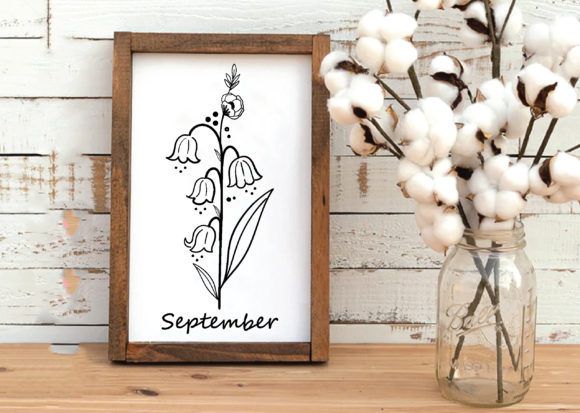
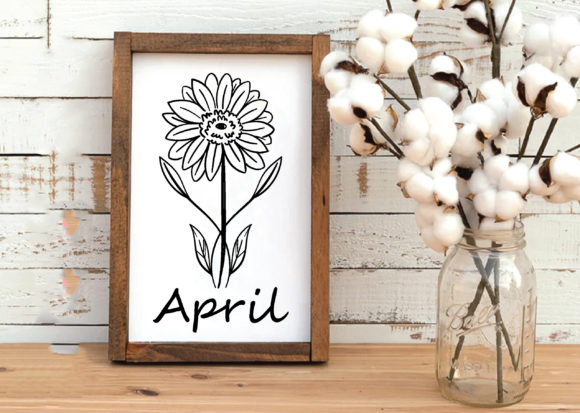
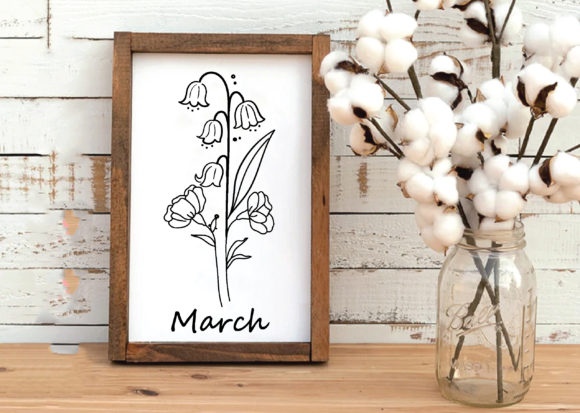
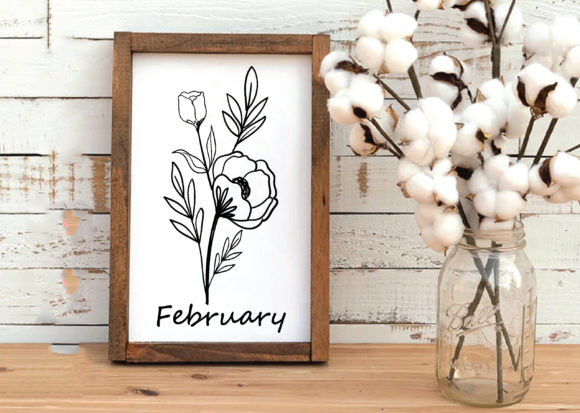
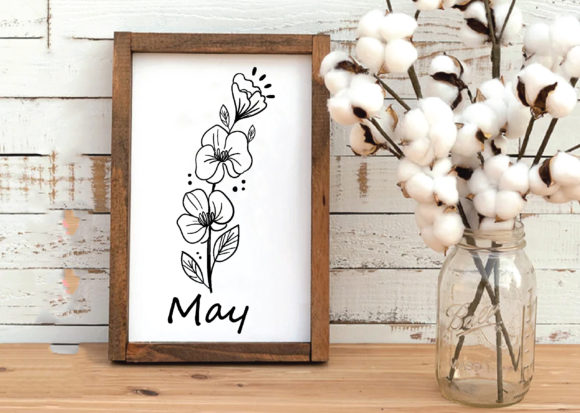
The moment I first saw May-wild Flower, I felt a quiet confidence in its design. It’s not the kind of embroidery that shouts for attention—it whispers with subtle elegance. The floral motif is soft yet detailed, with a balance of organic shapes and structured lines that feel both natural and intentional. The layout is clean, allowing each flower to breathe without overcrowding the space. This makes it ideal for projects where the design needs to stand out without overwhelming the fabric.
Where May-wild Flower Belongs: A Real-Life Scenario
I recently had a client who wanted a custom embroidered tote bag for a local boutique. They were looking for something that would appeal to nature lovers and young families. After reviewing several options, May-wild Flower stood out as a perfect fit. Its gentle, wildflower theme would work beautifully on a tote, adding a touch of whimsy without being too busy. I imagined it stitched onto a light-colored canvas, with the flowers slightly offset from the edges to give it a balanced look.
It’s also well-suited for baby clothes, where subtlety is key. A small embroidered patch featuring May-wild Flower could be sewn onto a onesie or a hat, offering a personal touch without being too bold. For holiday gifts, this design could be printed on mugs or signs, bringing a seasonal charm to everyday items.
Performance in Real Embroidery Situations
May-wild Flower performs admirably in a variety of real-world applications. On custom apparel like t-shirts and sweatshirts, it maintains clarity and vibrancy even after multiple washes. The file formats provided—SVG, PNG, DXF, PDF, and EPS—are high-resolution, which is essential for maintaining detail when scaling up or down.
However, there are some scenarios where caution is needed. For instance, using May-wild Flower on thin or stretchy fabrics might require additional stabilizer to prevent puckering or distortion. Dark fabrics can sometimes mute the colors, so it’s wise to test the design on a scrap piece first to ensure visibility. Similarly, dense stitch areas or intricate details may require careful handling during the embroidery process to avoid thread breakage or uneven stitching.
Design Notes for the Practical Designer
As an experienced designer, I always recommend testing any new embroidery file before committing to a project. May-wild Flower is no exception. Start by printing a mockup on a white background to assess color contrast and stitch density. Then, test it on a dark fabric to see how it holds up under different lighting conditions.
Stitch density is another important factor. May-wild Flower uses a mix of satin stitch and running stitch, which provides a good balance between detail and efficiency. However, if you're working with a smaller hoop size, you may need to adjust the design to prevent overlapping stitches or excessive tension.
When preparing for commercial use, make sure to review licensing terms carefully. While the product listing mentions instant download and multiple file formats, it doesn’t specify whether the design is for personal or commercial use. Always confirm these details before selling finished products or digital assets.
Visual Appeal and Customer Trust
May-wild Flower has a strong visual appeal that translates well into handmade products. Its clean lines and thoughtful layout make it easy to stitch, which is especially important for hobbyists and small business owners who may not have access to advanced embroidery machines. The design’s simplicity also adds to its versatility, making it suitable for a wide range of projects—from personalized gifts to boutique branding.
From a customer perspective, May-wild Flower offers a sense of quality and professionalism. It’s the kind of design that feels intentional rather than rushed. When used in a finished product, it enhances the overall presentation, giving the item a polished and curated feel. This is particularly valuable for Etsy sellers and crafters who rely on their brand image to attract buyers.
Practical Tips for Designers and Crafters
- Test on Scrap Fabric: Before using May-wild Flower on a final project, always test it on a scrap piece of fabric to check for any potential issues.
- Check Thread Color Contrast: Ensure that the chosen thread colors provide enough contrast against the fabric to maintain clarity.
- Review Stitch Density: Adjust the stitch density if necessary to accommodate the fabric type and hoop size.
- Confirm Hoop Size: Make sure the design fits comfortably within your hoop to avoid stretching or distortion.
- Inspect Small Details: Pay close attention to tiny lettering and intricate corners to ensure they’re clear and well-defined.
- Use Proper Stabilizer: Especially on delicate or textured fabrics, a good stabilizer can make all the difference in the final result.
- Test in Black and White: This helps identify any issues with contrast or detail before adding color.
- Compare Light and Dark Fabrics: See how the design looks on different backgrounds to ensure it works in various contexts.
- Confirm Licensing Terms: Always double-check whether the design is suitable for commercial use before selling finished products.
Final Thoughts on May-wild Flower
May-wild Flower is a versatile and well-crafted embroidery design that offers a great balance between detail and simplicity. Whether you're creating custom apparel, personalized gifts, or boutique merchandise, this design has the potential to elevate your projects. With the right preparation and attention to detail, it can become a valuable asset in your creative toolkit.