February-Wild Flower Graphics for Creative Publishing
A Fresh Visual Statement for Content Creators
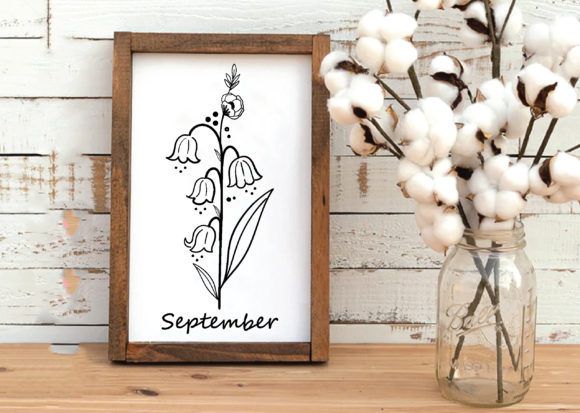
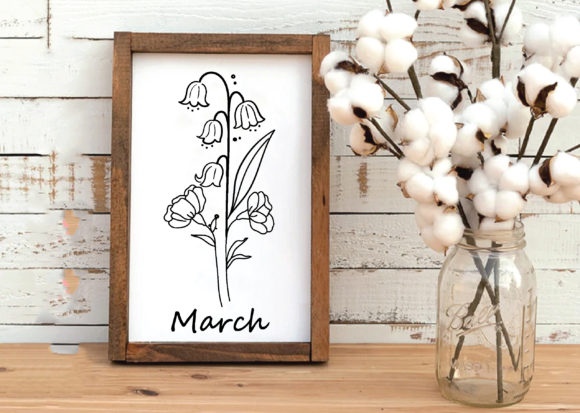
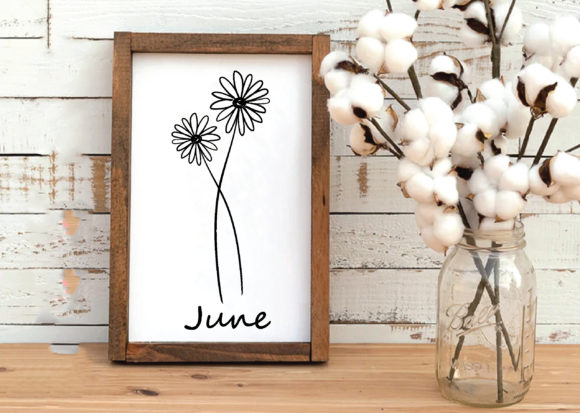
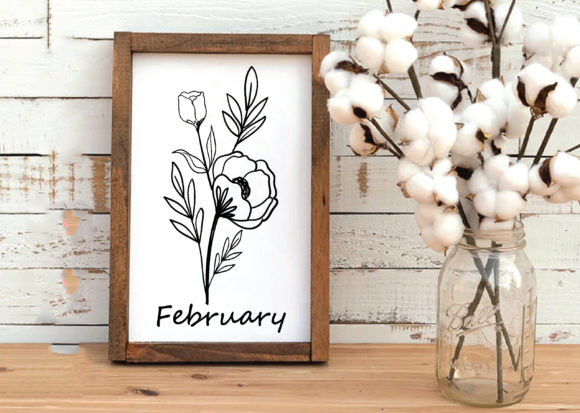
The february-wild flower design makes a strong first impression with its soft, natural palette and delicate floral elements. It exudes a gentle, seasonal vibe that feels both artistic and approachable. This graphic design asset is ideal for content creators who want to infuse their editorial work with a touch of nature and creativity. Its aesthetic leans toward the modern and clean, making it suitable for lifestyle, wellness, and educational niches.
Visual Mood and Editorial Impact
February-wild flower design creates a mood that's both calming and inviting. It’s perfect for blogs and websites that aim to connect with readers on an emotional level. The subtle use of color and intricate details adds depth without overwhelming the viewer. This makes it a great choice for content marketing strategies that rely on visual storytelling and reader engagement.
The design’s versatility allows it to fit seamlessly into various editorial contexts. Whether used as a blog header, article accent, or social media preview, it maintains a cohesive look that supports brand identity and visual hierarchy. Its ability to blend into different layouts ensures that it enhances rather than distracts from the content it accompanies.
Real-World Use Cases in Publishing Workflows
As a seasoned digital publisher, I've seen how the right graphic design asset can elevate a content piece from good to exceptional. The february-wild flower design is no exception. Here are some real-world applications:
- Blog Featured Images: Use it as a hero image to draw readers in and set the tone for your post.
- Pinterest Pins: The design works well for creating eye-catching pins that drive traffic to your blog or digital products.
- Article Headers: Place it above your content to guide the reader’s eye and establish visual flow.
- Website Banners: Ideal for promoting downloadable resources or special offers with a clean, professional look.
- Newsletter Graphics: Use it as a header or background to enhance the visual appeal of your email campaigns.
- Lead Magnets: Incorporate it into downloadable printables, worksheets, or digital guides to make them more engaging.
- Social Media Posts: Perfect for Instagram stories, Facebook covers, or Twitter visuals that need a creative twist.
Supporting Content Performance and Brand Identity
Using the february-wild flower design can significantly boost content performance. It provides a stronger first impression by catching the eye immediately, which is crucial for online readers who scroll quickly. The design also supports better click-through potential by offering a visually appealing anchor point for your content.
From a branding perspective, this graphic design asset helps maintain consistency across all publishing platforms. Whether you're working on a website header, a Canva template, or a digital guide, the design reinforces your brand identity through its consistent style and color scheme.
Where It Works Best and Where to Be Careful
The february-wild flower design excels in areas where visual appeal meets functionality. It works best as a hero image, article thumbnail, Pinterest pin, or social media preview. These placements allow the design to shine without competing with other elements on the page.
However, there are situations where it should be used with caution. On small mobile thumbnails, the design may not render clearly due to its intricate details. In text-heavy blog images, it could potentially distract from the main content. Additionally, it might not be the best fit for serious professional niches or corporate content that requires a more minimalistic approach.
Publisher Notes for Optimal Use
To ensure the february-wild flower design performs well in your content publishing workflow, follow these practical tips:
- Test on Desktop and Mobile Screens: Ensure the design looks good on all devices, especially when used as a thumbnail or social media graphic.
- Check Thumbnail Preview: Make sure the design remains recognizable when scaled down.
- Preview in Real Blog Layouts: Test how it integrates with your existing website or blog design.
- Test with Headline Text: Ensure readability when placed beside different font styles.
- Check Contrast and Readability: Confirm that the design doesn’t compromise text legibility.
- Try It in Black and White: Verify that the design still holds up without color.
- Review File Size: Compress images properly to maintain web performance.
- Confirm Commercial Licensing: Always verify that you have the proper rights before using the design on monetized content or affiliate pages.
Conclusion: A Versatile Graphic Design Asset for Publishers
The february-wild flower design is a versatile graphic design asset that can enhance a wide range of content publishing projects. Whether you're creating blog graphics, editorial designs, or digital downloads, this design offers a fresh, modern look that supports both visual communication and brand identity.
For bloggers, content creators, and digital publishers, this design is a valuable addition to your toolkit. It supports content marketing efforts by improving visual hierarchy, increasing reader trust, and strengthening your overall brand presence. With its high-resolution files and multi-format support, it’s ready to be used in Canva templates, digital guides, and printable designs for any creative project.